11th May, 2026 • 04:45 PM
Before you go, there are things I want you to know. Things I have learned not from textbooks, but from fifteen years of carrying groups safely up and down the most beautiful, brutal, and honest trails on earth.
The mountains are calling, and I must go.” — John Muir
I was born in the lap of the Annapurna Sanctuary. Not near it. In it. The mountains were not a destination for me — they were a backyard, a school, a language. When I became a trekking porter in 2008, and later a licensed guide in 2012, I did not choose this life for money. I chose it because I could not imagine another.
In fifteen years, I have led hundreds of treks — to Annapurna Base Camp, Everest Base Camp, the Langtang Valley, the Manaslu Circuit, and dozens of trails in between. I have led groups of fifteen people. I have led solo travelers. I have led families with children and senior citizens in their seventies who surprised everyone, including themselves.
And in all those years — not once have I evacuated a client by helicopter due to normal circumstances or manageable illness. Not once.
That is not bravado. That is preparation. Care. And a philosophy I want to share with you today.
But first — let me tell you what Nepal actually is, because no brochure has ever done it justice.
The Himalayas Are Not Just Mountains
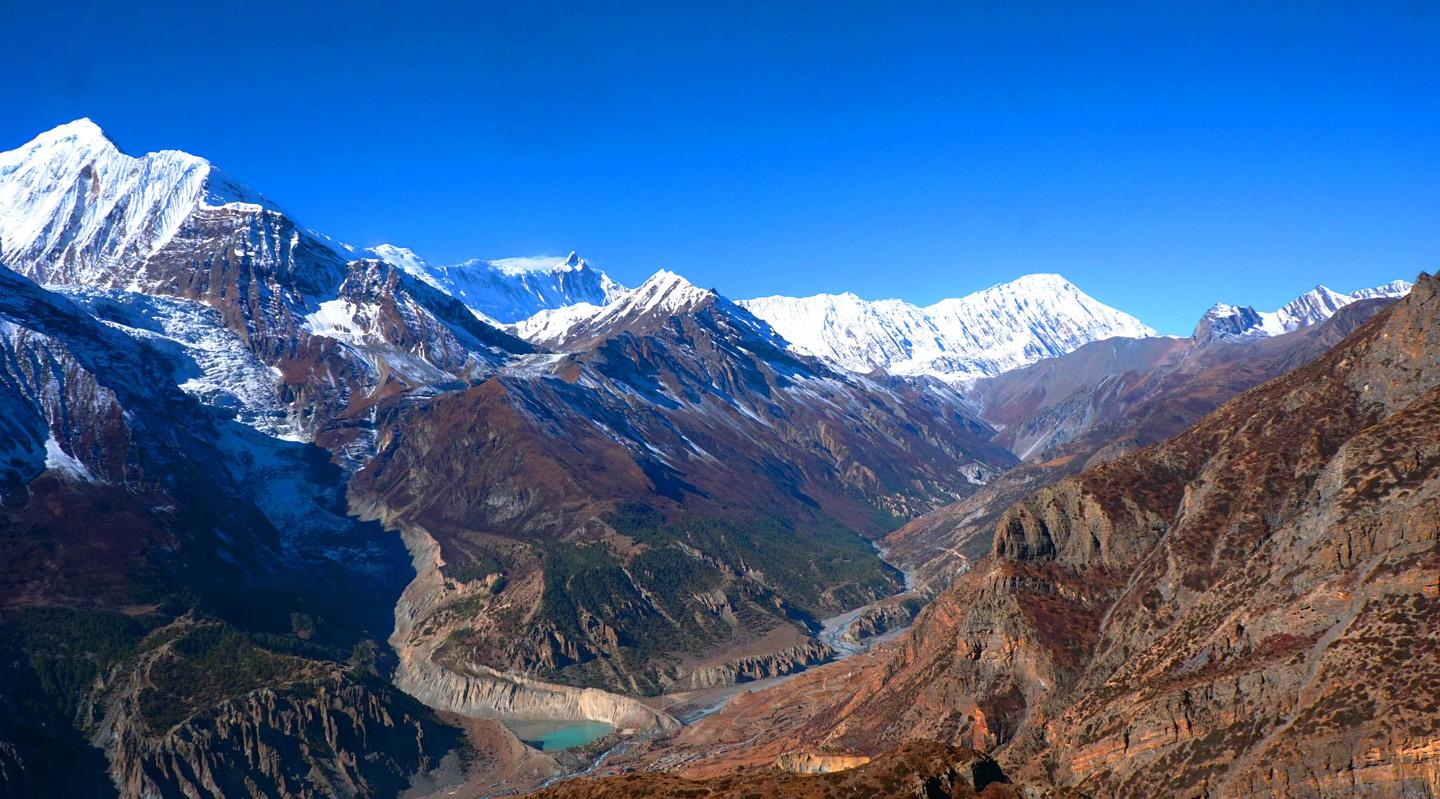
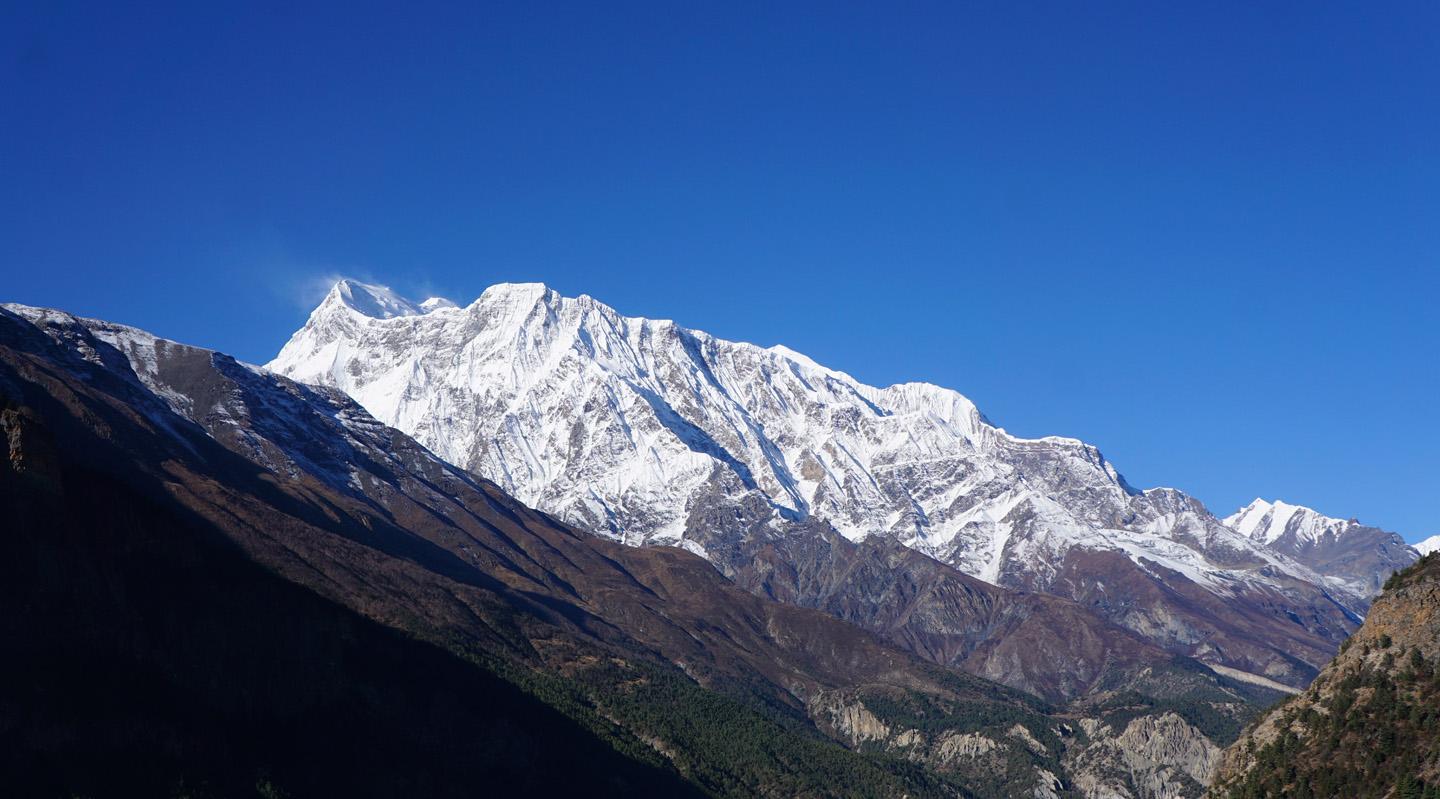
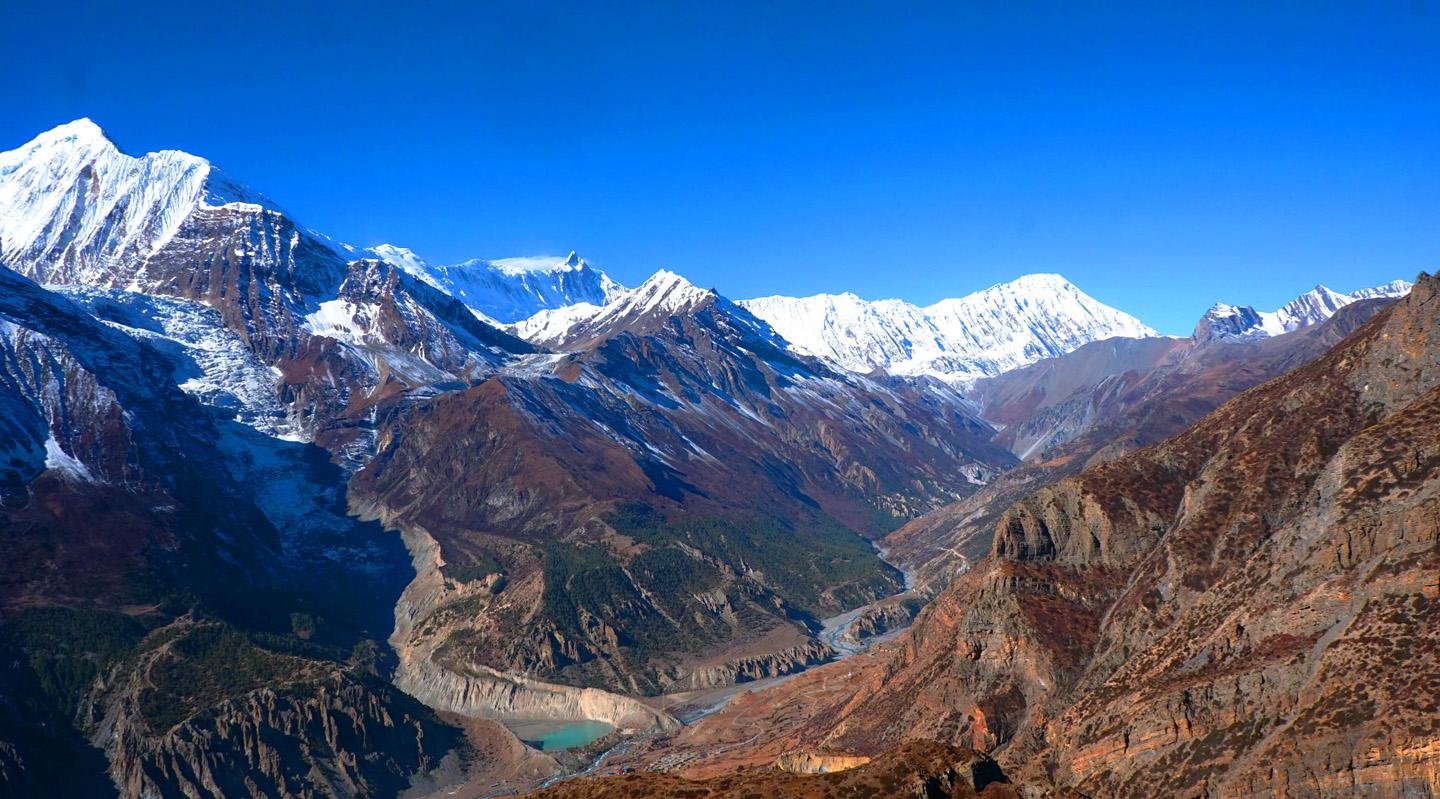
When you trek in Nepal, you are not just walking. You are moving through civilizations. On the trail to Everest Base Camp, you pass through Sherpa villages whose culture, Buddhism, and hospitality have been shaped by centuries of living at altitude. On the Annapurna Circuit, you cross from subtropical forests to alpine meadows to high-altitude desert in a matter of days — a geography that would take months to cross in most parts of the world.
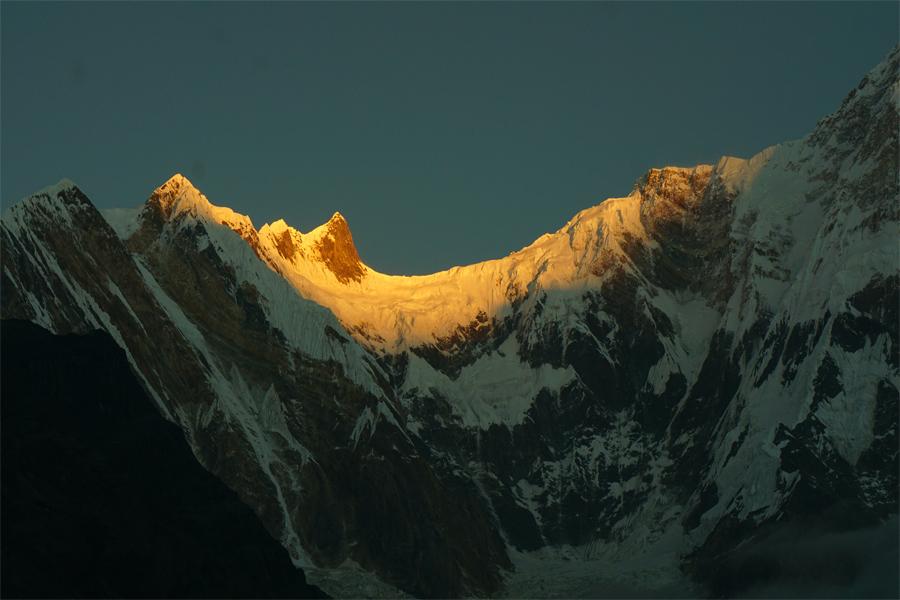
You eat dal bhat by candlelight in a stone teahouse while snow falls outside. You wake up before sunrise and watch the first light touch Machapuchare — the Fishtail Mountain — turning it gold and pink. You cross suspension bridges strung with prayer flags over roaring glacial rivers, and you hear the sound of yak bells echoing off canyon walls.
You meet people — real people, not performers for tourists — who invite you into their homes, feed you from their kitchens, and send you off with blessings you will carry for the rest of your life.
That is what Nepal does to you. It humbles you. It opens you. It reminds you that the world is vast and beautiful and worth protecting.
This is what I have dedicated my life to sharing. And it is exactly why what I am about to tell you matters so much.
Let me be honest with you the way a good guide should be: trekking in Nepal comes with real physical challenges. Altitude is not a joke. Contaminated water is not a small thing. Fatigue is cumulative. But — and this is critical — almost all of these challenges are manageable with experience, preparation, and common sense.
In my fifteen years, the most common issues I see among trekkers are:
Gastrointestinal illness — often called “traveler’s diarrhea” or colloquially “Delhi belly.” This happens when trekkers eat food from unhygienic kitchens, drink untreated water, or forget to wash their hands before meals. Symptoms include nausea, stomach cramps, diarrhea, and fatigue. Uncomfortable, yes. Life-threatening, almost never — if managed properly.
Altitude Sickness (AMS — Acute Mountain Sickness)— This is the one that demands respect. At altitudes above 3,000 meters, the body struggles to adapt to reduced oxygen. Symptoms include headache, dizziness, nausea, shortness of breath, and loss of appetite. At its most severe — HACE (High Altitude Cerebral Edema) or HAPE (High Altitude Pulmonary Edema) — it can be fatal within hours if not treated by descent.
Dehydration— Many trekkers underestimate how much fluid they lose at high altitude, especially in dry air and cold weather. Dehydration alone can cause symptoms that look alarming but are easily reversed with rest and rehydration.
Blisters, fatigue, and minor injuries— These are the everyday companions of any long trail. Proper boots, socks, pacing, and rest are the cure.
- Always drink boiled or filtered water. Never drink from streams unless you have treated it.
- Wash your hands before every meal and after every toilet visit. Carry hand sanitizer.
- Eat at teahouses with clean kitchens — dal bhat cooked fresh is almost always safer than “Western food” prepared in remote kitchens without proper refrigeration.
- Avoid raw vegetables and unpeeled fruit in high-altitude teahouses.
- Do not share water bottles, eating utensils, or lip balm on the trail.
These are not luxury precautions. They are the difference between a remarkable trip and a miserable one.
This is the part of my story that surprises people most when they hear it.
Fifteen years. Hundreds of treks. Groups of up to fifteen people. Clients who sometimes had no travel insurance at all. And not a single helicopter evacuation for a manageable condition.
How?
Proper Acclimatization — The Foundation of Everything
The body can adapt to altitude. It just needs time. The single biggest mistake guides make — especially guides under commercial pressure from big companies to move fast — is rushing the ascent.
My rule is simple: we follow the golden principle of altitude trekking. Climb high, sleep low. We never increase sleeping altitude by more than 500 meters per day above 4500 meters. We build in acclimatization days. We listen to bodies.
When someone in my group feels off, we stop. We rest. We hydrate. We assess. I have sat with clients at 4,000 meters, watching them recover from mild AMS symptoms after half a day of rest and increased fluids — symptoms that, in another guide’s hands, might have been declared an emergency.
Remedies and Medicines I Carry
On every trek, I carry a well-stocked first aid kit that includes:
- Acetazolamide (Diamox) — for prevention and treatment of AMS, used responsibly and with proper dosing
- Ibuprofen and paracetamol — for altitude headaches and fever
- Oral rehydration salts (ORS) — for dehydration and diarrhea
- Ciprofloxacin — for bacterial gastroenteritis
- Pulse oximeter — to monitor blood oxygen levels at altitude
- Pantoprazole -for acidity and gastro problem.
- Thermometer to measure the fever
- Bandages and other medicine etc.
I know how to use all of these. I know when to use them. And I know — equally importantly — when to descend versus when to wait and watch.
Visiting Health Posts
Nepal’s trekking regions have a network of health posts maintained by the Himalayan Rescue Association and government clinics — in Pheriche on the Everest route, in Manang on the Annapurna Circuit, in Langtang, and elsewhere. When a client needs medical assessment, I take them there. A doctor examines them. We get proper advice.
This is not “avoiding help.” This is using the right help.
In most cases, after rest, rehydration, a doctor’s assessment, and — when necessary — a lower sleeping altitude, my clients recover fully and continue their trek. They reach their destination. They return home happy.
That is the job. That has always been the job.
I love Nepal’s trekking industry. It is my livelihood, my identity, my passion. Which is exactly why what I am about to describe fills me with a particular kind of anger.
Because some people are destroying it.
Over the past several years, a sophisticated fraud network has been operating in Nepal’s trekking corridors — primarily in the Everest, Annapurna, and Manaslu regions. The scheme involves trekking guides, helicopter companies, hospital owners, and medical staff working together to manufacture fake medical emergencies and collect fraudulent insurance payouts.
This is not rumor. This is now a matter of criminal record.
The fake rescue scam first came to light in 2018, when The Kathmandu Post published an investigative report. The Ministry of Culture, Tourism and Civil Aviation formed an investigation committee that produced findings — but no meaningful action was taken.
On July 30, 2018, a fact-finding committee submitted a comprehensive 700-page report to the then-tourism minister, explicitly naming eight big agencies, four hospitals and three helicopter companies that required investigation for fraudulent claims. Following the minister’s death in a helicopter crash in February 2019, the fake rescue scam file was effectively closed.
The fraud grew. And grew. And grew.
Then, in 2025, a citizen group called Deshbhakta Gen Z filed a fresh complaint with Nepal’s Central Investigation Bureau (CIB), prompting the bureau to reopen files that had gone cold for years.
On March 22, 2026, prosecutors indicted 32 people in Kathmandu District Court in connection with the fake rescue scam. The accused — including tour managers, rescue coordinators, hospital owners, doctors, and trekking guides — face charges under the Organized Crime Prevention Act for organizing unnecessary helicopter flights for non-emergency clients.
The numbers are staggering.
Police told reporters the alleged scheme affected 4,782 international climbers between 2022 and 2025 and involved more than 300 suspicious or fake rescues. Authorities valued the alleged fraud at about $19.69 million.
The CIB probe revealed two main methods the guides used to fake an emergency. The first involved tourists who did not want to trek back down from high-altitude points. After a demanding trek — an Everest Base Camp trek can take up to two weeks on foot — scammers convinced tourists unwilling to walk back to pretend to be sick. They were then ferried back in a helicopter.
In the second method, guides and hotel staff had been trained to terrify trekkers at precisely the moment when mild altitude symptoms appeared — telling them they were at risk of dying, that only immediate evacuation could save their lives.
At altitudes above 3,000 meters, mild AMS symptoms are completely normal. A headache does not mean you are dying. But a frightened trekker, far from home, in a remote mountain valley, who trusts their guide — that trekker is vulnerable. And this network exploited that vulnerability deliberately and systematically.
Investigators said guides used baking soda to cause gastrointestinal distress that could resemble altitude sickness or food poisoning. Authorities also allege some trekkers were given medication with excessive amounts of water to trigger symptoms. After trekkers reported nausea, dizziness or body aches, they were advised to descend and agree to costly emergency helicopter evacuations.
Note:Nepal’s CIB has clarified that forensic evidence of deliberate food tampering is still being established, and the investigation is ongoing. However, the documentary evidence of fraudulent rescues, forged medical records, and inflated insurance claims is thoroughly documented in the 748-page indictment.
Once the “rescue” was triggered, the exploitation continued.
Operators allegedly billed each passenger as if they had taken a separate helicopter flight, even when multiple people were flown together. Fake flight records and forged medical documents were then used to support insurance claims.
Investigators also uncovered communications suggesting that rescued trekkers were “enjoying chilled beer,” raising doubts over the legitimacy of the rescues. CCTV footage showed tourists at a café while hospital records claimed they were receiving treatment.
Individual rescue companies’ alleged fraud was enormous:
Mountain Rescue Service conducted 171 fake rescues out of 1,248 charter flights and claimed around $10.31 million from insurers. Nepal Charter Service allegedly carried out 75 fake rescues out of 471 such flights, claiming about $8.2 million.
In one documented case, a Canadian woman and her trekking partner were denied the right to descend on foot as they intended. Her insurance company was charged $8,200 for the helicopter, plus $1,302 for hospital treatment — for a rescue she did not need or want.
The scandal prompted several major international insurers to halt coverage for trekking tourists in Nepal entirely. Those that remain have raised premiums by 200–300% or excluded helicopter rescue coverage. For Nepal’s economy — where over one million jobs depend on trekking tourism — the damage is severe and potentially long-lasting.
This is what the fraud has done. Not just to individual trekkers. Not just to insurance companies. But to the porters, the teahouse families, the local farmers, the village communities whose entire economy runs on the goodwill and safety of trekking tourists.
It makes me sick. And it makes me determined.
Here is the truth that the big companies do not want you to hear: the size of a trekking company’s website has nothing to do with the quality of your guide.
In fact, large commercial trekking companies in Nepal often work on a subcontracting model. You book online, you pay a large agency, and that agency sends whoever is available. The guide who meets you at the airport may never have spoken to the person who sold you the package. There is no relationship. And in the mountains, relationship is everything.
Here is how to choose wisely:
1. Choose a Small, Owner-Operated Company
When you book with a small, local company like Go The Himalaya Treks, you are often speaking directly with the person who will be on the trail with you. That person’s reputation — their entire livelihood — depends on your safety and your experience. They cannot afford a scandal. They do not have a corporate PR team to hide behind.
Ask your operator: Will you or your team personally be my guide, Can i have a premeeting with the guide before booking? If the answer is yes, that is a very good sign.
2. Verify Your Guide’s License and Experience
All legitimate trekking guides in Nepal must be licensed by the Nepal government through the Trekking Agencies’ Association of Nepal (TAAN). Ask to see your guide’s license. Ask how many years they have been guiding. Ask specifically about the region you are trekking in — experience in the Everest region does not automatically transfer to Manaslu or Langtang.
3. Understand Acclimatization Before You Go
A trustworthy guide will ‘always’ discuss acclimatization with you before the trek. If a company is promising to get you to Everest Base Camp in record time, walk away. Speed kills at altitude.
4. Buy Your Own Travel Insurance — Independently
Do not let your trekking company arrange your travel insurance. Buy it yourself, from a reputable international insurer, before you leave home. Ensure it covers emergency helicopter evacuation up to highest point of your trekking route. Keep your insurer’s emergency number saved on your phone. Let your family and friend know it.
Travel insurance companies usually need to be informed before a rescue happens. In the Himalayas, poor phone signals make this difficult — but make every effort to contact your insurer yourself if you believe you need evacuation. The guide will assist you. When the case is severe then guide take a decision what to do next.
5. If You Are Told You Need a Helicopter — Ask Questions
If your guide tells you that you need an emergency helicopter evacuation, take a breath. Ask:
- What exactly are my symptoms?
- What does the nearest health post doctor say?
- Can I descend on foot to a lower altitude first?
- What will happen if we wait a few hours?
- What equipments do you use to assure that? etc.
A real emergency is obvious — severe HACE or HAPE leaves little room for discussion. But mild symptoms that are being used to frighten you into a helicopter? Those deserve questions. A good guide will welcome those questions. A corrupt one will pressure you.
6. Support Local Economies Directly
When you choose a local, small guide and company, your money stays in the community. The teahouse families, the porters, the local farmers who supply those teahouses — they all benefit directly. When you book through large international platforms or big Kathmandu-based agencies, much of your money never reaches the villages your trek passes through. Most of the time they are exploited.
‘Trekking is not just adventure. It is an economic act. Choose where your money goes.’
The Mountains Are Still Calling — Answer Wisely
I have spent fifteen years walking these trails, breathing this thin air, and watching people’s lives change in the Himalayas. I have seen a retired schoolteacher from Germany weep at Annapurna Base Camp because she never believed she could get there. I have watched a group of young friends from Korea fall completely silent as the sunrise hit the Khumbu Glacier. I have shared dal bhat with a Tamang family in Langtang and Tsum Valley and felt, in that moment, that this is what travel is supposed to be.
Nepal is real. Its magic is real. The kindness of its people is real.
But so is the fraud. And it is committed not by “Nepal” — but by a specific network of corrupt individuals who are currently being prosecuted in Kathmandu District Court.
Do not let those individuals define a nation of 30 million people, or a trekking industry built by tens of thousands of honest, hardworking guides, porters, cooks, and teahouse families.
Come to Nepal. Trek its trails. Let the Himalayas do what they have done to every person who has walked under them with open eyes and an open heart.
Just choose who walks beside you carefully.
Ready to Trek Nepal Safely?
Go The Himalaya is a small, owner-operated trekking company based in Pokhara, Nepal. I am Deependra Chapai — your guide, your host, and your fellow human being on the trail. I have personally led every major trekking route in Nepal, and I will personally ensure your safety, your acclimatization, and your experience from the first day to the last.
Contact us at GoTheHimalaya.com ([email protected]) to plan your trek with someone who will treat you not as a booking number — but as a guest in the mountains I call home.
The Himalayas are waiting. Let’s go.
‘Deependra Chapai (Dee)
‘Trekking Leader | Anthropologist | Storyteller’
‘Go The Himalaya Treks, Pokhara, Nepal’
‘Licensed Trekking Guide | Government of Nepal’
© 2026 Go The Himalaya Treks & Travels. All rights reserved.