9 Days
8 Nights


The Nar Phu Trek is a journey into one of the most culturally rich and scenic areas of Nepal. Nestled in the remote Annapurna region, this trek offers adventurers an authentic experience of Tibetan-influenced culture, ancient monasteries, traditional villages, and breathtaking landscapes.
Starting from the lower Annapurna region, the trek leads through rugged terrain, crossing high-altitude passes and narrow valleys before reaching the villages of Nar and Phu. These two villages, although isolated, offer a deep dive into the lifestyles of the indigenous people, who have retained traditions and customs largely untouched by modernity.
Nar Village
Nar, the largest village on the trek, is located just above fertile farmland with a stream flowing down from the Kang La Pass and other nearby mountains. Surrounded by highland grazing lands, it provides ideal pasture for yaks and sheep, which have historically been central to the local economy. From Nar, views of Pisang Peak to the south and Kangaru Mountain to the north offer an impressive mountain backdrop.
The homes in Nar are uniquely structured with three stories: the ground floor is for livestock, the middle floor for living quarters, and the top floor for storing hay and firewood. Made of stone, clay, and wood, these houses are well-suited to the harsh mountain climate. The villagers practice Tibetan Buddhism, and traditional clan gumbas and a main monastery provide places of worship, embodying the deep-rooted spirituality of the people.
Phu Village
Phu Village is known for its 1,000-year history, established by Tibetan yak herders who crossed high mountain passes and found this valley ideal for summer and winter pasturing. The village is nestled in a bowl-shaped valley, with homes clustered close together, providing protection against the mountain weather. The villagers cultivate wheat, potatoes, and vegetables, and seasonal trade has long been an important part of their lifestyle, including the sale of yak tails, butter, herbs, and ornaments.
Monasteries and Cultural Sites
Both Nar and Phu villages feature ancient monasteries and smaller clan gumbas that reflect the area’s deep religious heritage. Tashi Ghompa in Phu, built around 700 years ago, is a major highlight for trekkers, as it opens seasonally and allows visitors to join in morning and evening rituals. In Nar, the oldest monastery stands as a testament to the community’s Buddhist roots.
Highland Scenery and Unique Landscapes
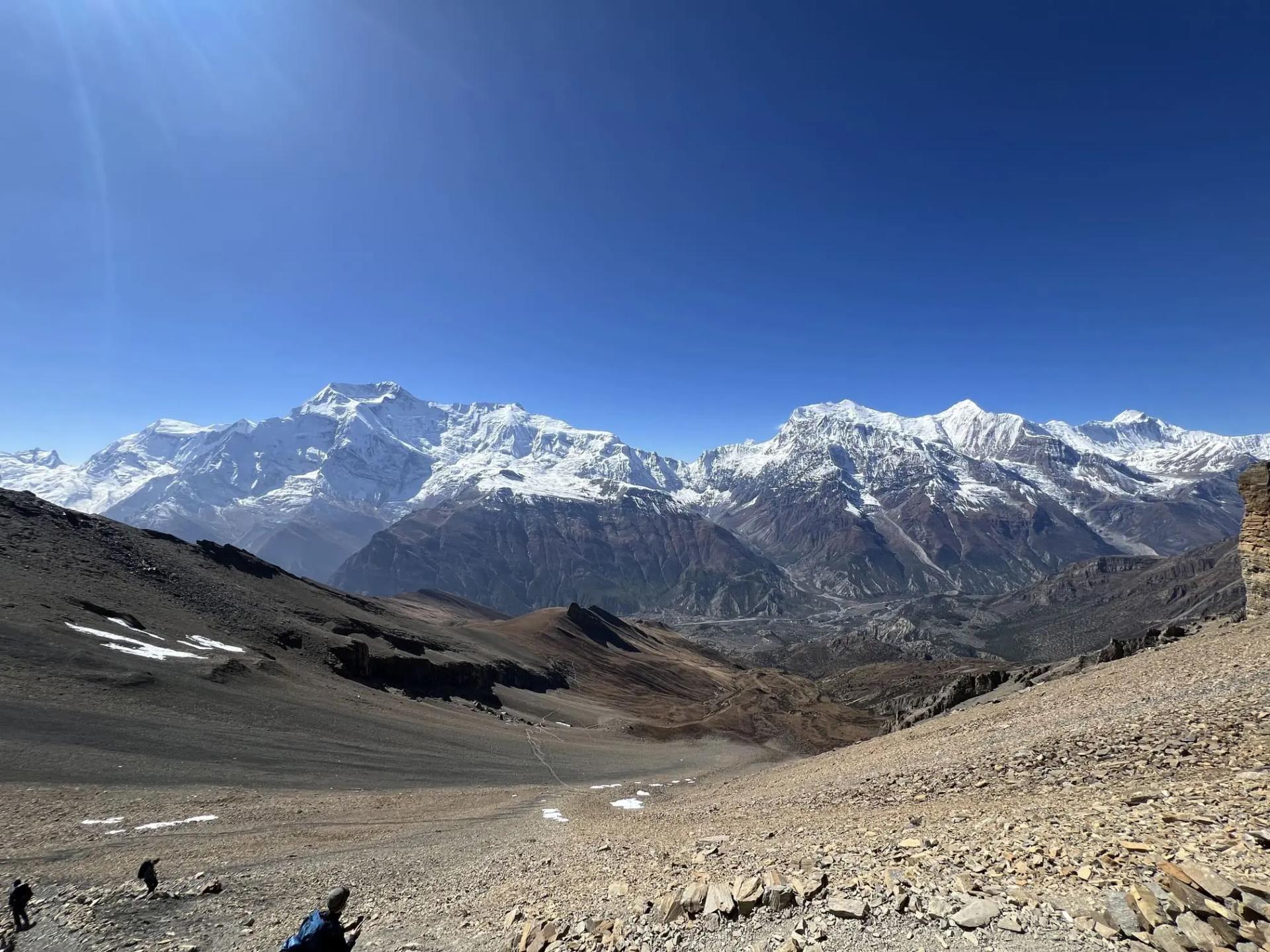
The Nar Phu Trek showcases some of the most stunning landscapes in the Annapurna region. The route takes trekkers through alpine juniper forests, high-altitude grazing lands, colorful hills, and snow-capped peaks. The views of Pisang Peak, Annapurna II, and Kangaru are unforgettable, with sunrises and sunsets casting a magical glow over the surrounding mountains.
Remote Village Life and Cultural Traditions
Life in Nar and Phu feels like stepping back in time. Villagers engage in traditional occupations such as farming, animal husbandry, and seasonal trade. Their deep connection to the land and nature is evident in their daily routines, including planting, harvesting, and tending to yaks, goats, and cattle. With limited modern facilities, these villages rely on the primary school, ward office, and health post for essential services.
The Nar Phu Trek is a rare opportunity to experience an untouched world of ancient cultures, stunning mountain scenery, and a way of life that has endured for centuries. For trekkers seeking more than just scenic trails, Nar Phu offers a truly immersive journey into the heritage and beauty of Nepal’s highlands.
Epic Mountain Views: 360° panorama of 30+ peaks including Annapurnas, Himlung, Manaslu
Spring (March-May)
Autumn (September-November)
Winter (December-February)
Monsoon (June-August)
Trail Conditions: Slippery, dangerous river crossings
Difficulty Level: 4/5 stars (Moderate to Challenging)
Physical Demands:
Required Fitness Level:
Training Recommendations:
Important: All permits arranged by Go The Himalaya.RAP requires that you trek with a licensed guide and in a group of at least two people
Mountain Range: Annapurna Himalayas (Remote Restricted Area) Nearest Airport: Pokhara Airport - 6 hours drive to trailhead Starting Point: Koto Village (2,600m) Ending Point: Ngawal Village (3,660m) Border Proximity: Close to Tibet border (restricted for security) Notable Peaks Visible:
Ethnic Groups: Tibetan descendants, Manangba people Primary Language: Tibetan dialects, some Nepali Religion: Tibetan Buddhism with ancient traditions
Nar Village Culture (4,220m - 80+ households): According to local legend, two brothers from Manang discovered this valley while hunting blue sheep (Nayaur). They tested the fertile soil by planting wheat seeds from their traditional Bhakhu dress belts. The younger brother won a coin toss to settle here, establishing Nar Village. The name evolved from "Nayaur" over generations.
Cultural Connections:
Phu Village Heritage (4,060m):
Ancient Monasteries:
Spiritual Experiences:
Vegetation Zones:
Wildlife Spotting Opportunities:
Bird Watching:
Lammergeier (Bearded Vulture): Massive wingspan displays
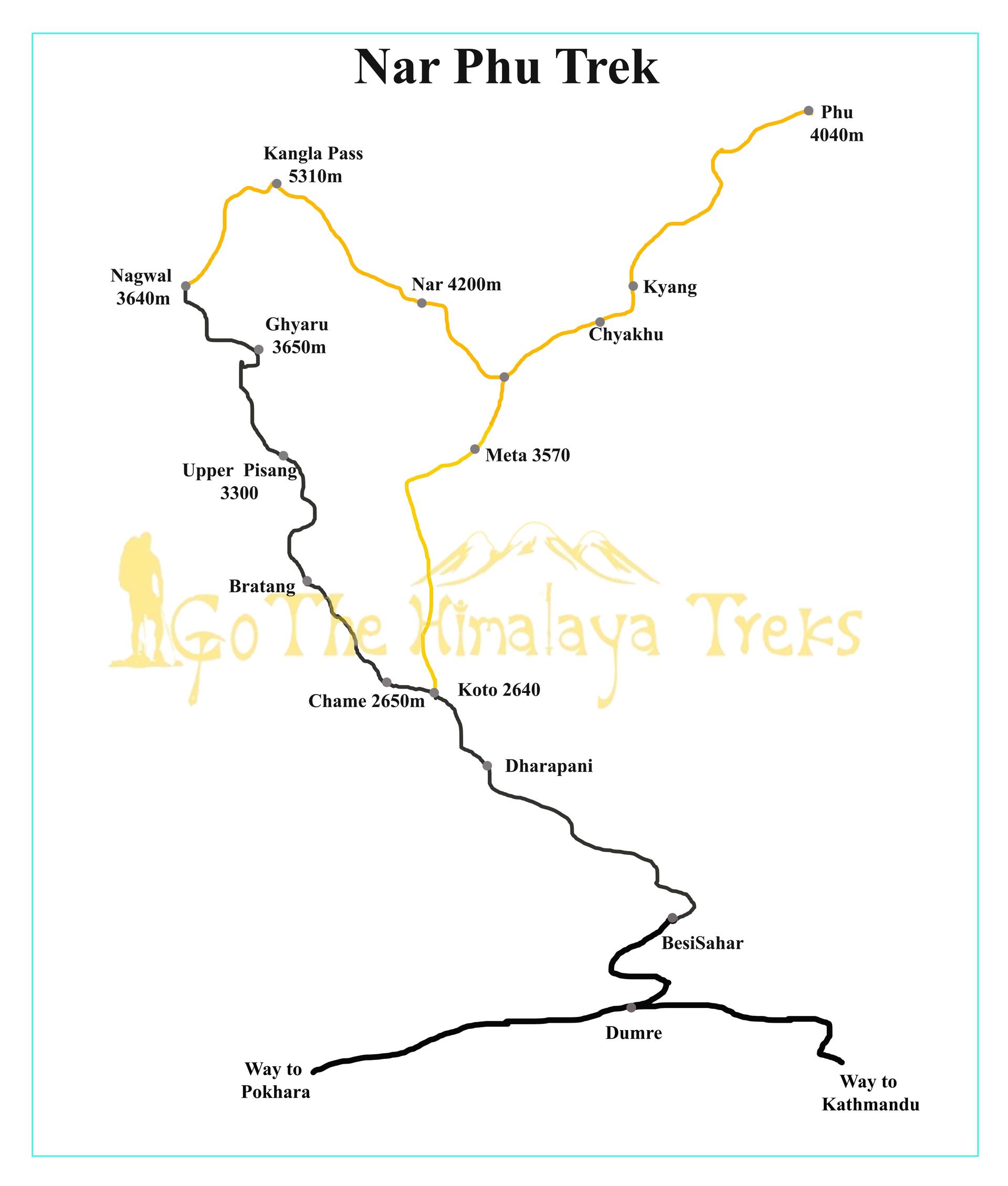
After an early morning breakfast, we will set off by jeep to Besisahar. The journey takes about 6 hours by private transport or 8 hours by local transport. From Besisahar, we’ll switch to an off-road jeep to reach Koto, which will take approximately 5 hours.
Overnight at Koto.
After breakfast, we begin our trek early in the morning. Walking through pine forests, following the Nar River, and moving past rocky hills and valleys under a blue sky is the perfect way to start the day. We head into a remote valley to explore a unique culture that has remained isolated for many years. Located in Nepal, this area has a distinctly Tibetan feel. Crossing rivers, walking beneath waterfalls, and soaking in the stunning surroundings makes for an unforgettable experience.
Today’s trek from Meta to Kyang is a gentle climb, allowing for a relaxed morning and a leisurely breakfast with stunning views of Annapurna and Mt. Kunguru. As we eat, we’ll enjoy the golden sunrise slowly lighting up Meta.
After breakfast, we gradually ascend along the Nar River through the valley, occasionally catching close-up views of Annapurna as it peeks through the clouds. After about an hour, we leave the trail toward Nar and continue on the path to Phu, walking through alpine juniper forests accompanied by a cool breeze and the sound of the Nar River. The changing terrain today offers new perspectives and plenty of photo opportunities, as well as incredible scenery.
Along the way, we pass small, seasonal settlements that provide glimpses into the traditional lives of the people who once inhabited these areas. After around two and a half hours from Meta, we reach Chyaku village, where the Rural Municipality office is located. Here, we’ll take a short break, possibly for lunch, before continuing for another hour to reach Kyang village.
Kyang is known for its remarkable mountain views, especially of Kunguru, Annapurna II, and Chombi. Watching the sunrise here over Annapurna and Kunguru is an unforgettable experience, creating one of the most cherished memories of the trek.
Kyang is a small winter settlement for the Phu yak herders, located at 3,820 m in the shadow of red rocky hills. With Mt. Kunguru to the east, Annapurna II to the south, and a deep valley to the west, Kyang is a spectacular spot for an overnight stay. In addition to its beautiful mountain views, Kyang offers a glimpse into ancient life, with remnants of the Kampa settlements, caves, large terraced fields for high altitude agriculture, ruins, and a Gumba (Buddhist monastery).
After an early breakfast, we follow the Phu River north. Snow-capped peaks surround us to the north and south as we trek through the deep valley. After climbing rocky cliffs for about two and a half hours, we reach the Phu gate, the only entrance into Phu Valley. Historically, this gate served to protect the village from outsiders and invaders. Here, chortens, mani wheels, and carved stones inscribed with scriptures welcome us to Phu, a village steeped in history. Just before the main village, we pass old fortresses and houses in ruins, then cross a suspension bridge to arrive at the main gate of Phu.
After breakfast, we start our trek back at an easy pace, following the same trail we used to climb up. Descending is much faster than the ascent at high altitude. After about two hours of walking, we’ll stop for a tea break at Kyang. From there, we continue for another hour to reach Chyakhu, where we’ll spend the night.
Chyakhu is a winter settlement for the Nar people, set in a wide valley at the base of Mt. Kunguru. The views of Annapurna II, Pisang Peak, and Kunguru are spectacular here. In the afternoon, after lunch, we can explore the old ruins and take in the serene surroundings of Chyakhu, enjoying a leisurely pace and breathtaking mountain vistas.
After an early breakfast at Chyakhu, we begin our trek, initially following the same trail until reaching a small settlement. From there, we take the west trail toward Nar, descending to the river and crossing the Mahendra Bridge. Our route then leads us up to a historic Gumba (monastery) in the region. Here, we spend some time exploring the monastery, meeting the monks, and soaking in the peaceful atmosphere while waiting for lunch.
After lunch, we continue our ascent into the Nar Valley. At an elevation of 4,220 meters, the valley opens up, revealing a beautiful village surrounded by stunning mountain scenery. The remainder of the day can be spent exploring Nar village and visiting its monasteries, offering a fascinating glimpse into traditional mountain life and local culture.
Today, we spend our day exploring the charming Nar Village and hiking up to a scenic viewpoint. Walking through the village feels like stepping back in time by centuries. The villagers’ lifestyle, traditions, belief system, and homes are fascinating and offer a unique look into traditional mountain life.
Nar is the largest village in the Nar Phu trekking area. It sits above fertile land, with a small stream flowing down from Kang La Pass and other nearby mountains. Pisang Peak rises in front, while Kangaru looms behind. Nar Village is surrounded by highland grazing lands, ideal for yaks and sheep, which supported the primary livelihood of the locals in the past. The villagers follow Tibetan Buddhism and honor both clan and local deities.
Today is a major highlight of the trek, filled with adventure and incredible views. We start very early, waking up at 3 a.m. for a quick breakfast before setting out for Kangla Pass. We head west, following the stream and gradually climbing for about six hours until we reach the pass.
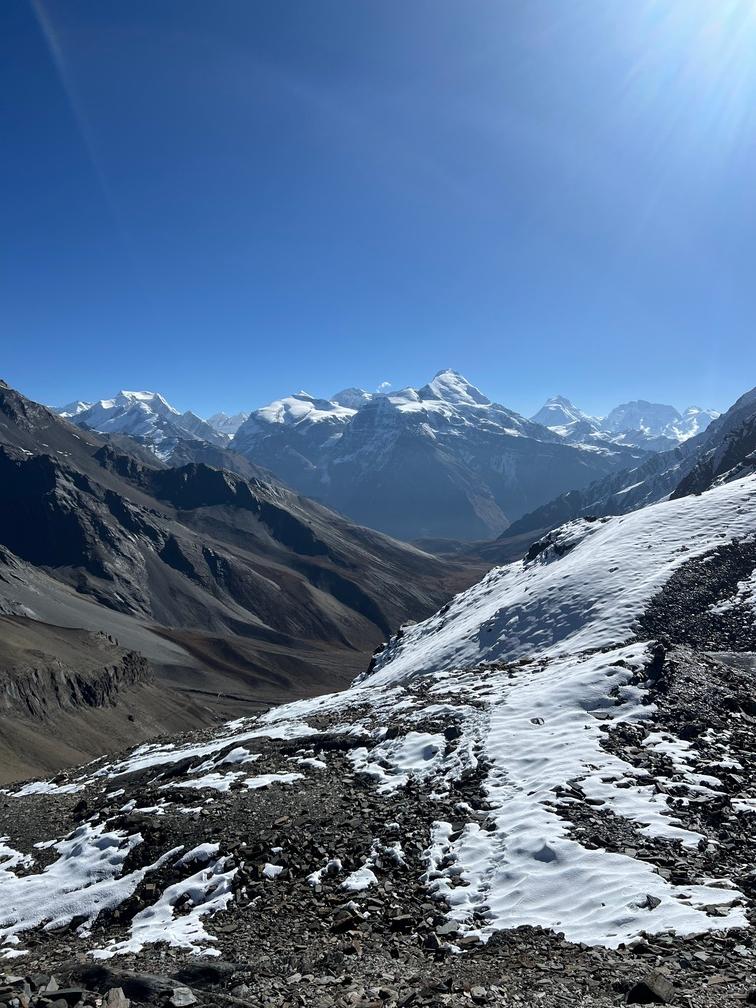
Kangla Pass, at an elevation of 5,310 meters, marks the border between the Manang and Nar Phu Valleys. Reaching the top is rewarded with a breathtaking panorama of over 30 peaks, including the Annapurnas, Himlung, Chulu, and parts of Manaslu. This ancient trade route has been used by locals for centuries, connecting the valleys and their people.
After taking in the spectacular views, we begin our descent. The trail down is steep and takes about three hours, leading us straight to Ngawal Village in the Manang Valley, where we’ll rest and reflect on the day’s adventure.
From Ngwal village, we take a jeep to Besisahar and return back to Kathmandu. Note that if you have more time, then we can proceed to Manang or the Annapurna Circuit Trek.
We provide the following services according to client preferences:
Your comfortable is our priority
Nar Phu trek difficulty level: Moderate to Challenging (4/5)
The trek is considered challenging for several reasons:
This restricted area trek is perfect for:
Travelers seeking uncrowded trekking routes
About the weather check yourself at Here and consult with our expert. For more please visit our page Best trekking season in Nepal.
Risk & Respond
There is several risk during this trekking because of high altitude and long distance. Your safety is our first priority. We keep in contact with your guide or porter frequently and ask about the situation and your health condition. We also keep updating the weather. If we find any adverse situation then we immediately responds. For more details to know risk and response please visit the page Risk and Response here.
Supporting Children's Education
Go The Himalaya contributes 5% of total profits to Ohhee Khusi Nepal Foundation for children's education in remote mountain communities. Your trek directly supports the children of Ohhee Khusi Nepal Foundation Hostel.
Learn more: ohheekhusinepal.org.np
This is a porter-supported tea house Trek. Two clients share one porter. We will supply you with a Trekking Duffel Bag which is carried by the porter. We would like to recommend that you bring your own Daypack Bag which is carried by you. In the daypack bag, you can pack the stuff which you need during the daytime such as money, important documents, water bottle/bladder, camera, toiletries, sunscreen, notebook, etc.
The weight limit for the porter is 20 kg 10 kg for each client. So, we recommend you pack as carefully as you can and not exceed the weight limit. You can leave your non-trekking stuff in the Kathmandu and Pokhara hotels or offices at Pokhara.
You also can buy or hire every piece of equipment here in Pokhara and Kathmandu.
Please find the list of trekking equipment HERE and please consult with us before packing.
Are you ready for the adventure of lifetime? Weather you are experienced trekker or new to high-altitude hiking, the Nar Phu trek promises an unforgetable experience. Contact Us to learn more or book your trek. Feel free to book your appointment and inquire about trekking before you booking.
I need previous high-altitude experience for Nar Phu Trek?
Prior trekking experience and adequate physical preparation are recommended. While not mandatory, experience above 4,000m is highly beneficial. We provide thorough acclimatization protocols.
What if weather conditions prevent crossing Kangla Pass?
We have alternative routes via Nar Phedi and contingency days built into the itinerary. In extreme cases, helicopter evacuation is arranged (insurance coverage required).
Can beginners do this trek?This
This trek is generally considered moderately difficult/adventurous. We recommend prior multi-day trekking experience and excellent physical fitness. Consider Annapurna Base Camp trek first.
How cold does it get at night?
Temperatures range from -5°C to -20°C depending on season and altitude. We provide sleeping bags rated to -20°C and recommendations for proper clothing layers.
Is the trek safe for solo female travelers?
Very safe with our professional guides. The restricted area regulation requires minimum 2 people, so we can arrange small group joining for solo travelers.
What's the difference between Nar Phu and other Annapurna treks?
Nar Phu offers authentic Tibetan culture, minimal crowds, restricted area exclusivity, and traditional lifestyle observation impossible on main circuit routes.
How physically demanding is the daily walking?
You'll need to walk for more than 6 hours each day over challenging terrain. Daily altitude gains/losses of 400-1,100m require good fitness and stamina.
Are there ATMs or shops in Nar Phu villages?
No modern facilities. Bring sufficient cash for tips and personal items. Villages have basic supplies but no commercial services.
What about communication with family during the trek?
Limited cell coverage. Our guides carry satellite phones for emergencies. WiFi occasionally available at some lodges but unreliable.
Is travel insurance really necessary?
Absolutely mandatory. Trek reaches significant elevation of 5320 meters with helicopter evacuation costs exceeding $15,000. We cannot provide services without proof of adequate insurance.